AI Business Discovery: How AI Is Changing Professional Discovery
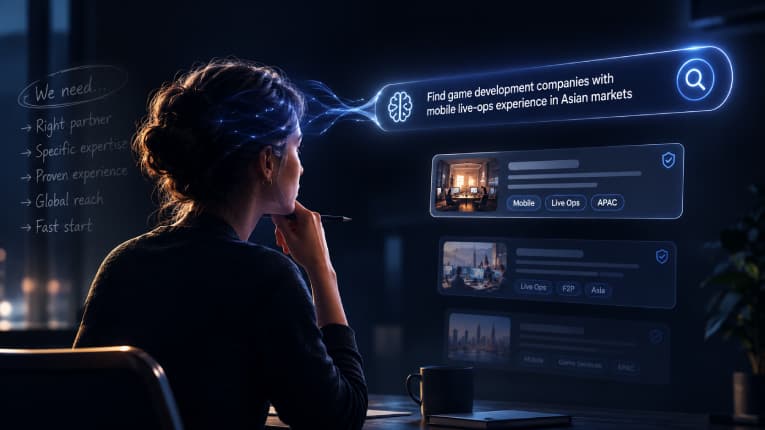
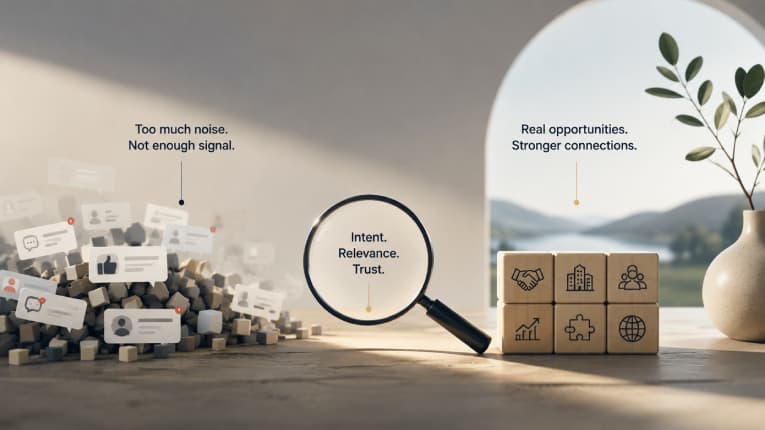
AI is changing how professionals and businesses discover each other. As professional information grows, intent, context and relevance are becoming more important than simply building a larger network.
The internet made people easier to find. It did not make the right people easier to discover.
The internet solved many discovery problems. Professional discovery is not one of them.
Today, it is easy to find almost anyone. Professional networks, search engines, directories and job platforms have made professional information more accessible than ever. Yet finding someone who is actually relevant to a specific need can still take hours.
A company may know what it needs without knowing who can provide it. A professional may have exactly the right experience for a project without knowing which company is looking for it. A founder may be searching for a partner while having no idea what title or keyword to use.
The problem is not a lack of information. There is more professional information available than ever.
The problem is relevance.
From networking to discovery
Professional networking has traditionally focused on building connections. You create a profile, add people to your network, follow companies and share what you are doing. Over time, those relationships are expected to create opportunities.
But many business opportunities do not begin with a connection. They begin with a need.
A company may need someone to help enter a new market. A professional may be looking for a specific type of project. A business may need a supplier, consultant or partner with experience in a particular industry.
Neither side necessarily needs another connection. They need to discover each other.
This is where business discovery differs from traditional networking. Instead of starting with who you know, it starts with what you need, what you offer and what might be relevant to you.
Why traditional search is not enough
Search works well when you already know what you are looking for. Professional discovery is rarely that simple.
Imagine a company looking for someone who can help launch a product in Japan. It may search for "Japan business development" and find thousands of profiles. But the person it actually needs might describe themselves as a publisher relations manager, market expansion consultant or localization specialist.
The relevant experience exists, but it may not be expressed using the same words as the original search.
This happens constantly in professional discovery. Job titles vary between industries. People describe their capabilities differently. Companies describe business problems rather than roles.
The information is there. The challenge is connecting it.
Intent matters
A professional profile can tell us where someone has worked and what their current position is. It does not necessarily tell us what they want to do next.
Two people can have almost identical backgrounds while having completely different intentions. One may be looking for a new project. Another may be focused on building a company. A consultant may be interested in a specific type of engagement while another may not be available at all.
Understanding intent adds an important layer to professional information.
What does someone offer? What do they need? What kind of opportunity are they interested in?
These signals make discovery more useful because they tell us not only who someone is, but also what they are looking for now.
From profiles to opportunities
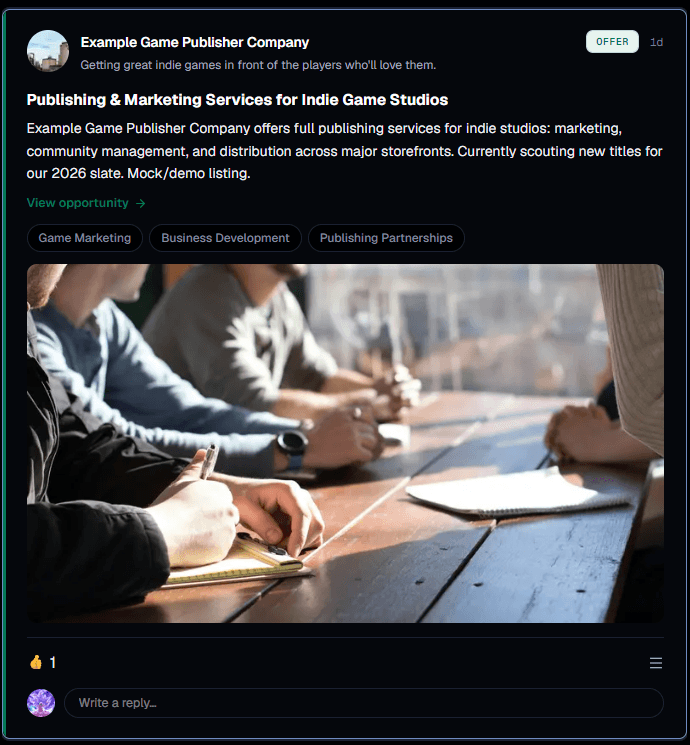
There is a meaningful difference between saying, "I am a video editor" and saying, "I edit short-form video for brands and I am looking for companies that need ongoing content production."
The first describes a profession. The second describes a potential opportunity.
Businesses rarely need a job title for its own sake. They need someone who can solve a problem, provide a service or contribute specific expertise.
Professionals have the same challenge in reverse. They do not necessarily need more profile views. They need a project, client, partnership or conversation that is relevant to what they can actually contribute.
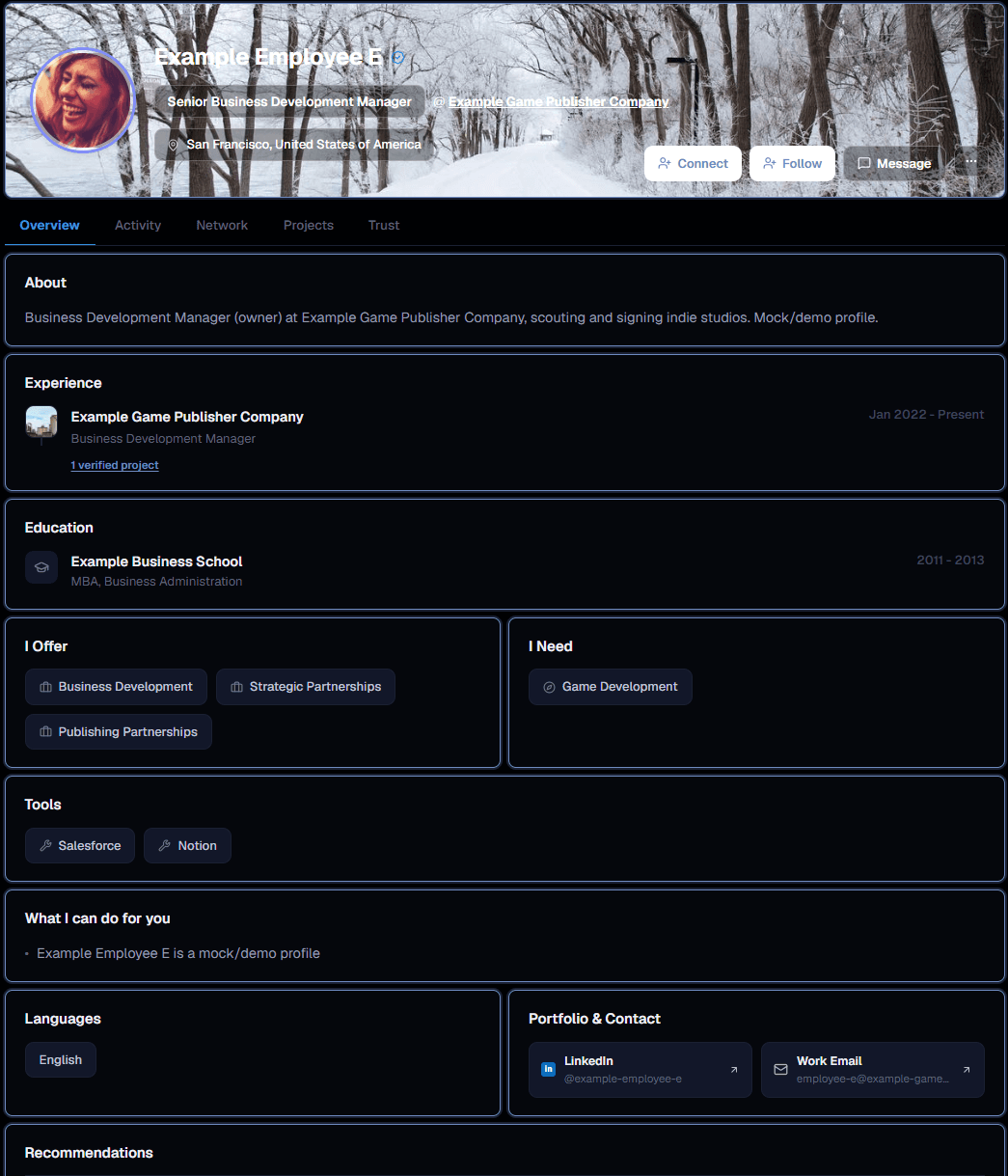
This is why professional discovery is moving beyond static profiles. A profile should not only explain where someone has been. It should also make it easier to understand what they can offer and what they are looking for.
Where AI changes the equation
This is where artificial intelligence becomes useful.
AI can help discovery systems work with context across large amounts of professional information. People describe their experience differently. Companies describe their needs differently. The same capability can have many names.
A company might describe a business problem rather than a professional role. A professional might describe their experience through projects rather than a list of skills.
AI can help identify relationships between these different descriptions and surface potentially relevant matches.
The goal is not to let AI decide who people should work with. The goal is to reduce the amount of irrelevant information people need to sort through before finding something worth exploring.
AI is the infrastructure. Better discovery is the outcome.
Relevance matters more than reach
Professional platforms have spent years optimizing for connections, followers and visibility. But reach is not the same as relevance.
A professional can have thousands of connections and still struggle to find the one company that needs their expertise. A company can reach thousands of professionals and still fail to find the specialist who can solve its problem.
The objective of discovery is therefore not to maximize how many people you can reach. It is to increase the chance of finding someone who is actually relevant.
The question changes from:
"Who do I know?"
to:
"Who should I discover?"
That is a more useful question for both professionals and businesses.
How UmayNow approaches business discovery
This is the problem UmayNow is built around.
UmayNow is a business discovery network designed to help professionals and businesses discover relevant people, companies and opportunities based on what they offer and what they need.
A professional can communicate something they can provide or something they are looking for. A company can do the same. These signals create context that goes beyond a traditional professional profile.
A video editor can be discovered because a company needs video production. A gaming professional can be discovered because a business needs expertise in a particular market. A company can be discovered because another business needs the service it provides.
The idea is simple:
Intent → Relevance → Discovery → Opportunity
The objective is not to create another place where professionals compete for attention. It is to make useful professional discovery easier.
UmayNow is currently in its Pre-Alpha stage, with early users helping shape the platform and its approach to professional discovery. UmayNow
The future of professional discovery
AI will continue to change how professional information is organized and discovered. But the bigger shift is not really about AI.
It is about moving from connections to relevance, from static profiles to intent and from networking to discovery.
Businesses need relevant capabilities. Professionals need relevant opportunities. Both sides need a better way to find each other.
The internet already made it possible to find almost anyone.
The next challenge is making it easier to find the right person.
The future of professional networking may not be about building the biggest network.
It may be about making the right discovery.
Frequently asked questions
What is business discovery?
Business discovery is the process of helping professionals and businesses find relevant people, companies, capabilities and opportunities based on what they need, offer or are looking for.
How can AI improve business discovery?
AI can interpret relationships between professional experience, capabilities, needs and intent. This can make relevant people and opportunities easier to discover, even when the two sides use different terminology.
How is business discovery different from professional networking?
Traditional networking focuses largely on building connections and maintaining professional profiles. Business discovery focuses on relevance and intent, helping people and businesses find each other based on what they need and what they can offer.
Why are job titles not enough?
Job titles provide useful context, but they do not always describe someone's full capabilities or current intentions. People with different titles can have highly relevant experience for the same opportunity.
Can AI replace human judgment?
No. AI can help surface potentially relevant people and opportunities, but the decision to contact, trust or work with someone should remain with the people involved.
What is UmayNow?
UmayNow is a business discovery network focused on helping professionals and businesses discover relevant people, companies and opportunities through what they offer and what they need.